History
Hacı Bekir Effendi, with his creative talent that turned a craft into an art, left a garden of sweets and a world heritage to Istanbul Cuisine.
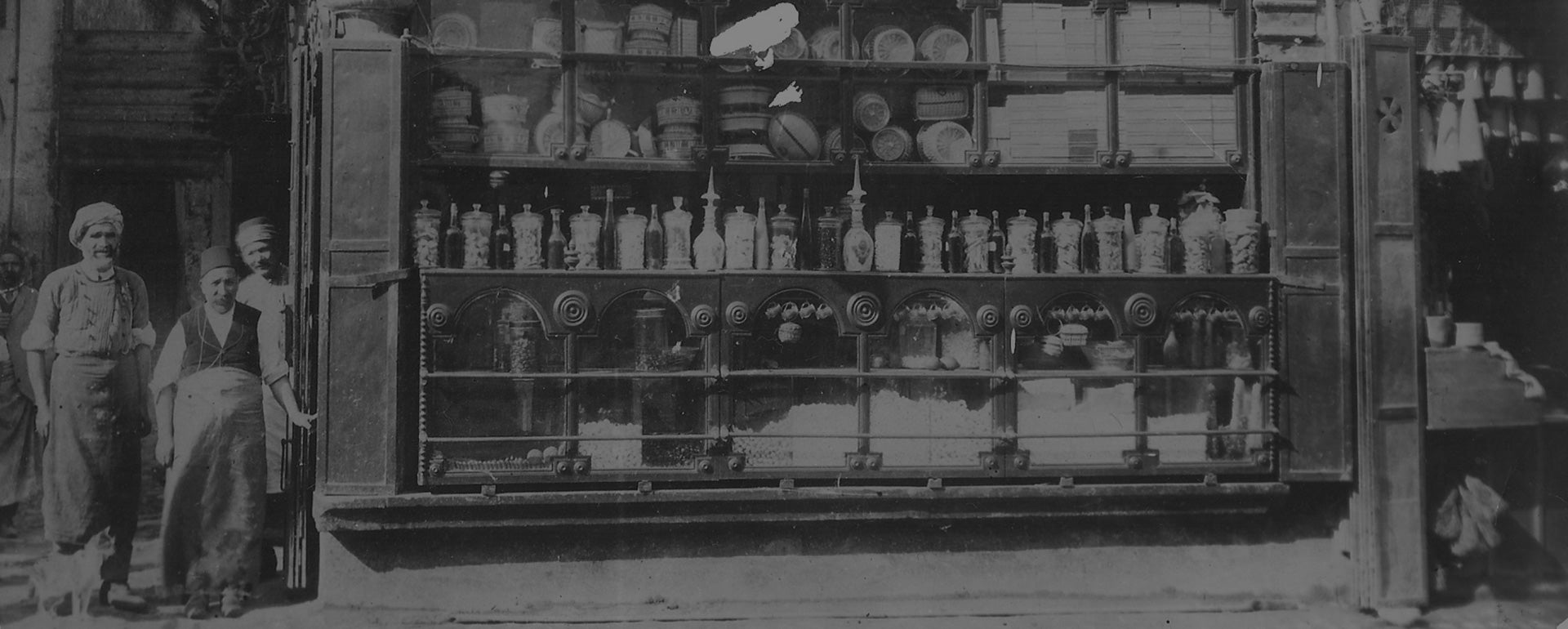
Şekerci Hacı Bekir Efendi, who came to Istanbul from the Araç district of Kastamonu and started personally producing and selling Turkish delight, akide (hard candies), and other sweets in a small confectionery shop he opened in the Bahçekapı district in 1777, and who would later be known as Hacı Bekir after performing his pilgrimage between 1817-1820, has a history that spans four different centuries and five continents today.
In Turkey, during the 16th century, honey and molasses were used as sweeteners and flour as a binder and texturizer in confectionery production. With the arrival of sugar, produced in refineries established in Europe in the early 19th century, known then as "Kelle şekeri" (loaf sugar) in Turkey, Şekerci Hacı Bekir began to pound and melt this sugar in mortars, adding rose, cinnamon, mastic, orange, and lemon to produce hard candies of different flavors and colors.
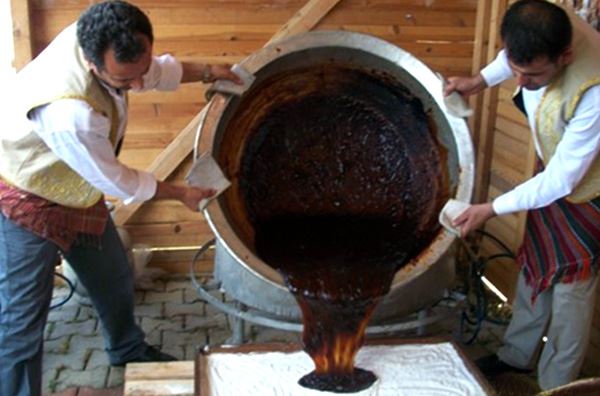
When Hacı Bekir Efendi's fame for his akide and Turkish delight reached the Ottoman Palace, he was awarded the 1st Class Order of Nişan-ı Ali Osmani by the innovative Sultan Mahmud II, founder of the modern Ottoman Empire, and appointed as the palace's Chief Confectioner. From then on, the palace's sweets were supplied by Hacı Bekir Efendi's workshop.
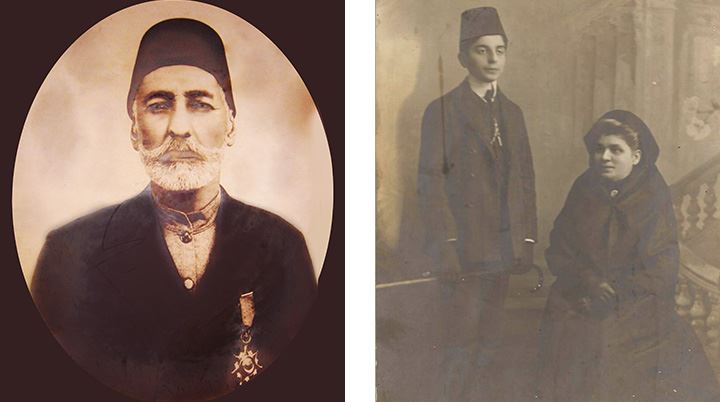
While this was happening in Istanbul, it is said that an interesting event occurred in England. A traveler, one of Hacı Bekir Efendi's British customers, was offering the lokum he had brought with him in his own country, using a name he had given it himself. "Turkish Delight." Since that day, lokum has been known as "Turkish Delight" in English-speaking countries and around the world, and as "Lokoum" in France and the Balkans.
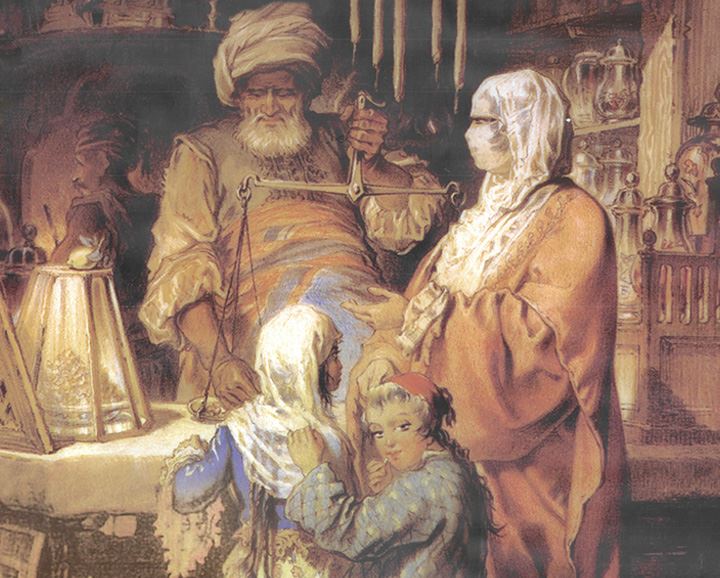
Hacı Bekir, an integral part of Turkish-Ottoman society and history, became ingrained in our culture and traditions. He was also featured in novels and writings documenting the lifestyle of the time, and was depicted by foreign artists who were part of the Istanbul mosaic in the 19th and early 20th centuries, and even painted by Amadeo Preziosi of Malta, a famous painter of the era. A lithographic reproduction of the 43x58 cm watercolor painting, depicting the life of the time and Hacı Bekir Efendi, the original of which is in the Louvre Museum in Paris, is exhibited at Topkapi Palace with number 214.
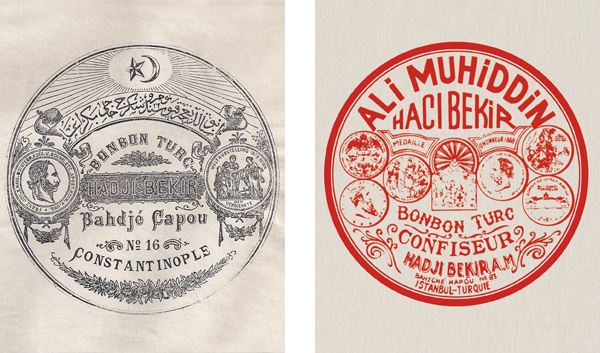
Then, in 1888, confectionery master Mehmed Muhiddin Efendi participated in the Cologne fair, organized under the patronage of Augusta, the German empress and Queen of Prussia, and won his second silver medal, adding this medal to his brand. In 1893, Mehmed Muhiddin Efendi attended the fair held in Chicago on the occasion of the 400th anniversary of the discovery of the American Continent, where he carried out the first Turkish delight production and sales, thus introducing Turkish delight to the American Continent. Afterwards, he participated in the 1897 Brussels fair, adding gold medals to his achievements.
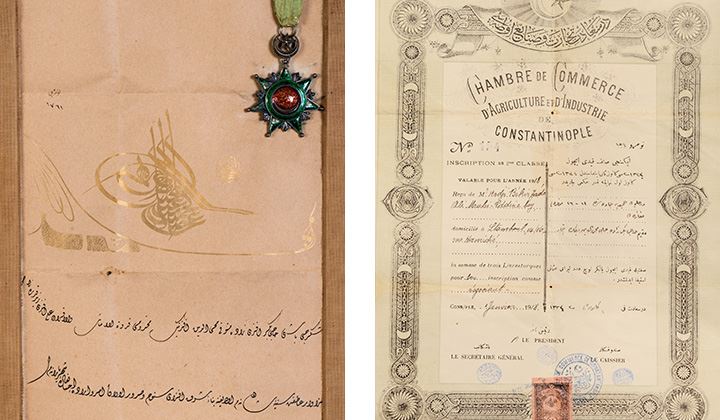
Following Hacı Bekir Efendi's passing, his son Mehmed Muhiddin Efendi took over the business, and upon his death, his grandson Ali Muhiddin Hacı Bekir continued the legacy. As they upheld the business with the same principles, skill, and passion for their craft, the title of "Chief Confectioner" of the palace was also passed down from father to son alongside them.
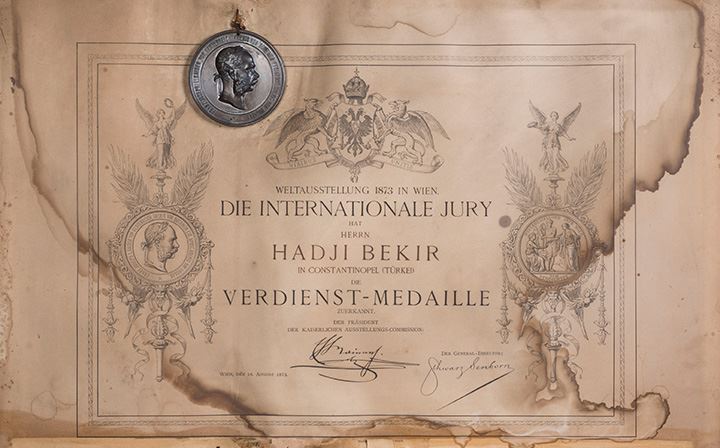
In 1873, Mehmed Muhiddin Efendi was appointed by the palace to showcase Ottoman confectionery at the fair held in Vienna under the patronage of Emperor Franz Joseph I of Austria-Hungary, returning with a silver medal awarded by the fair commission. Observing that all Western participating countries at this fair used a brand, Mehmed Muhiddin Efendi, upon his return, created the first brand of the Ottoman Empire and his company with the silver medal he had won.
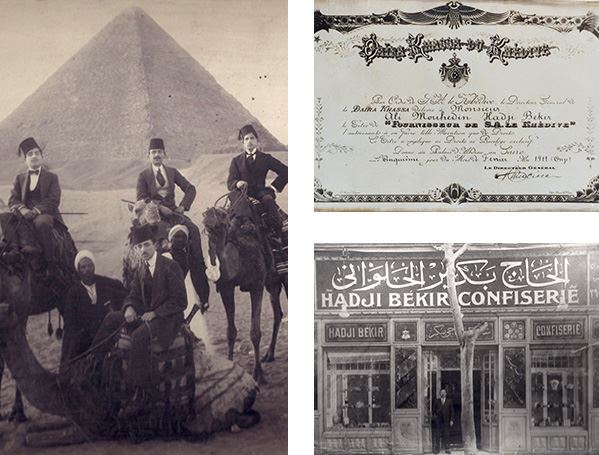
With the era of grandson Ali Muhiddin Hacı Bekir, the Hacı Bekir Establishment became a global firm, undertaking international ventures of the kind seen today. Towards the final years of the Ottoman Empire, in 1911, Ali Muhiddin Bey was also bestowed the title of Chief Confectioner by the Egyptian Palace, and Hacı Bekir branches were established in Egypt's two major cities, Cairo and Alexandria, with master craftsmen and staff sent from Turkey.
When Mehmed Muhiddin Efendi passed away, his young son Ali Muhiddin ran the business and made advancements with the support and assistance of his mother, Reşide Hanım. Ali Muhiddin Bey's time became the golden age of the institution. Gold medals were won at the 1906 France - Paris - Nice fairs, and the title of Ottoman Chief Confectioner was also bestowed upon Ali Muhiddin Bey.
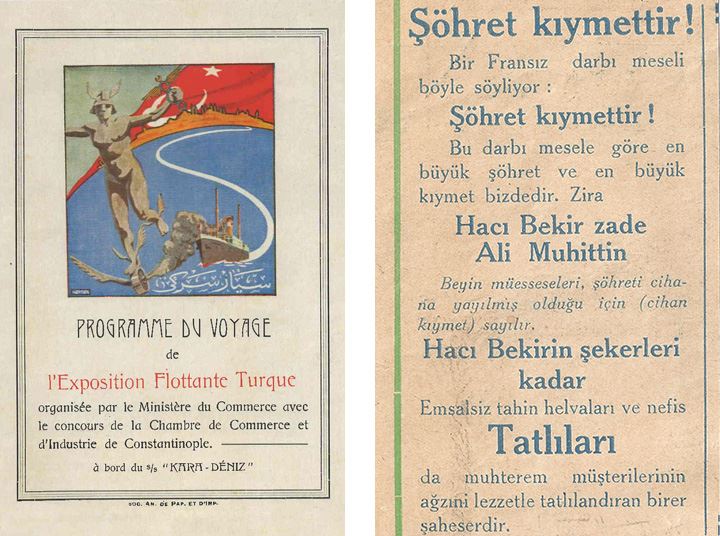
In 1934, with the enactment of the Surname Law, the brand took on the form that is still used today. In 1939, the New York World's Fair was attended. Products manufactured by Turkish masters were presented to the delight of Turkish delight lovers.
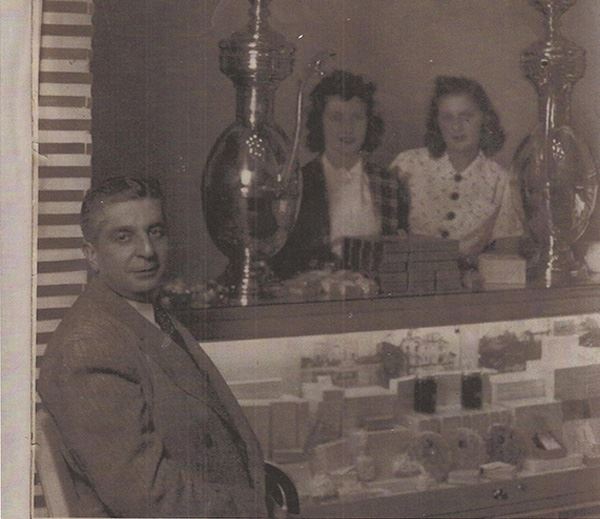
In 1926, by order of the Great Atatürk, Hacı Bekir company participated in the first floating exhibition, which lasted 90 days and was organized with the Karadeniz Ship to introduce our country's industry to North African and European countries, along with the limited industrial products available at that time.
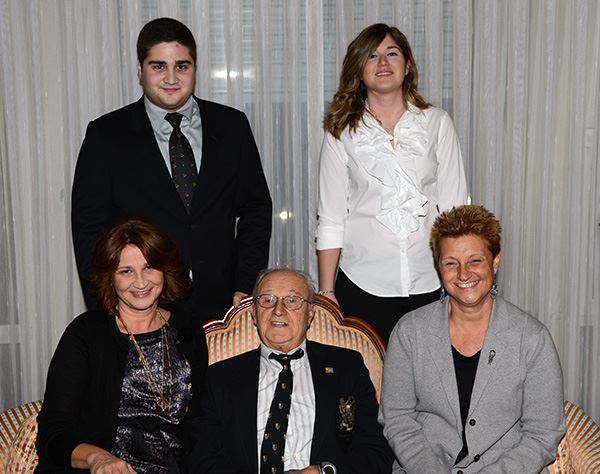
In 2007, the first franchise business was opened. In 2014, the firm, managed by fourth and fifth-generation family members, began e-commerce activities alongside retail, adding new innovations to its nearly 250 years of accumulated knowledge.
Today, Şekerci Hacı Bekir, one of the 100 oldest brands in the world, continues to create the world's most delicious and high-quality confections as Turkey's first company. In addition to two shops in Eminönü/Bahçekapı, one in Kadiköy, one in Beyoğlu/Parmakkapı, one at the Maslak Turkish Taste Museum, and a franchise operation in Bakırköy, a branch in Ankara/Çankaya Atakule has also commenced operations.
The Hacı Bekir Company, now in its sixth generation, is delighted to be an expression of taste and flavor for Turks and interested foreigners, serving generation after generation with its workers, apprentices, and masters.
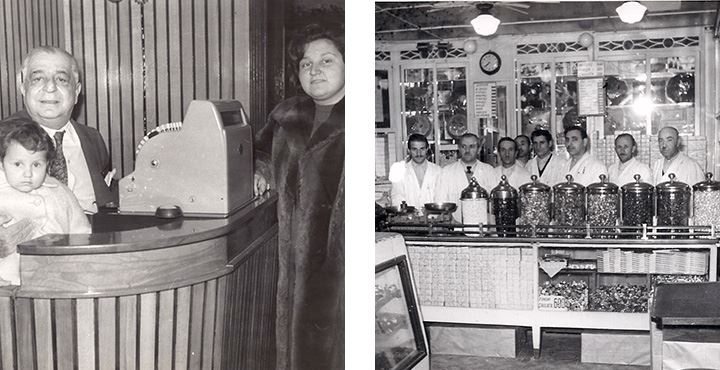
In 1965, modernization was initiated by partially blending traditional production with machines imported from West Germany.
After the death of Ali Muhiddin Hacı Bekir in 1975, the company continued its activities through Hacı Bekir Sanayii AŞ in production and Ali Muhiddin Hacı Bekir Ticaret AŞ in retail.
In 1989, production, which had been carried out in the Eminönü district since the company's establishment, was moved to modern facilities in Pendik.