

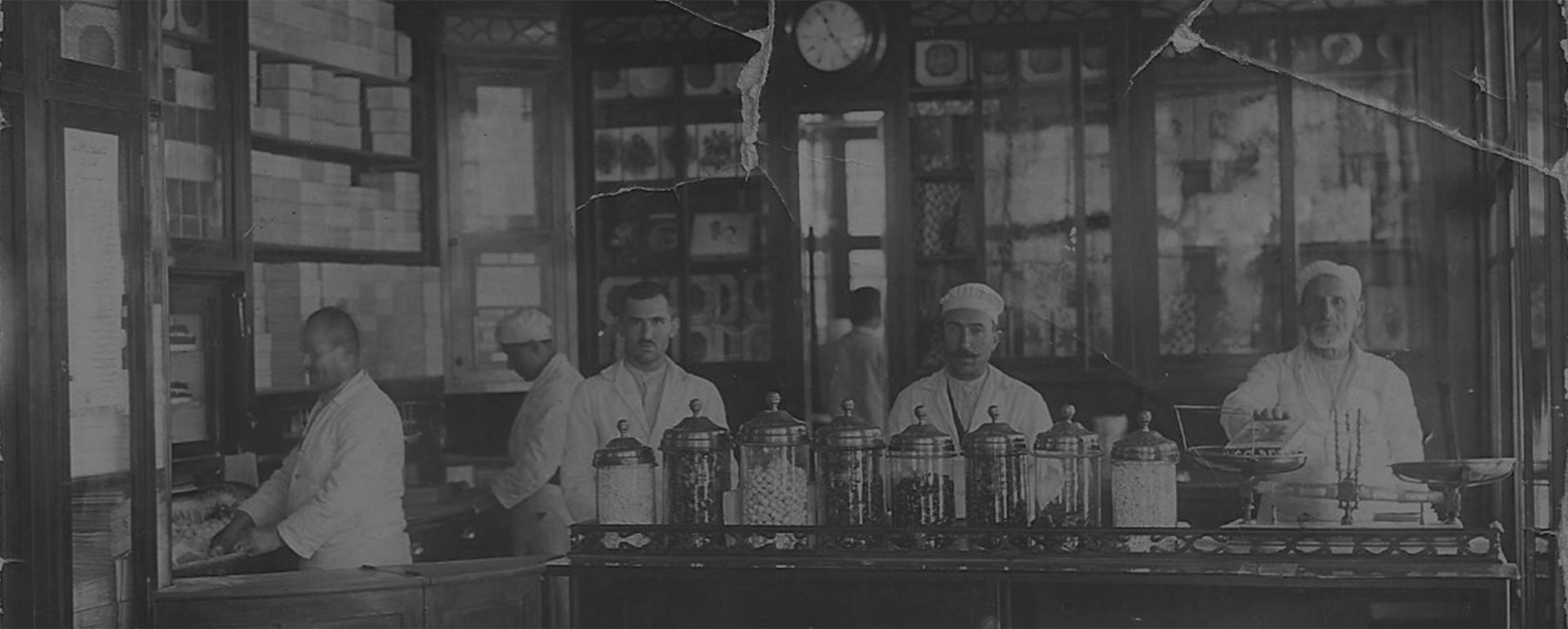
Bahçekapı Store
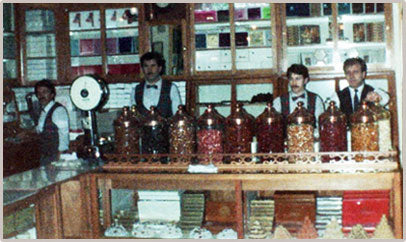
Our Bahçekapı store has been registered as a former confectionery shop by the Cultural and Natural Heritage Protection Board and is a living museum.

Bahçekapı District
Bahçekapı has been an important commercial district of Istanbul since ancient times, located directly behind the New Mosque, between Eminönü and Sirkeci Station, which connects Istanbul to Europe, and at the foot of the Galata Bridge, connecting to areas such as Sultanhamam, the Spice Bazaar, the Fish Market, and Tahtakale, which are the arteries of commercial life, and right next to Bab-ı Ali (Grand Vizierate), the brain of bureaucracy.
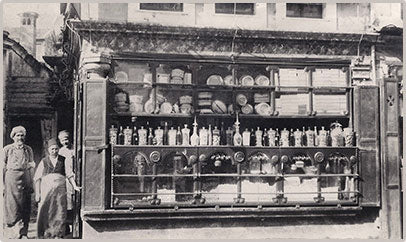
Architectural Features
The shop is an ancient, ordinary masonry building with two stories above it. It was authentically restored in 1989 by high engineer Doğan Şahin. The authentic building's facade is plastered, its windows are wooden, and its tiled roof has old-style Malta stone "harpusta" on the parapet walls.
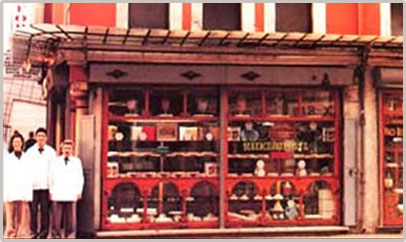
Store History
In Bahçekapı, the confectionery shop that Şekerci Hacı Bekir Efendi opened in 1777 as a single section and manufactured products in the oven located in its back room, was gradually expanded. First, its initial 33 m² section was enlarged, then the neighboring spice shop was added, transforming it into its current 88 m² size. Since 1777, it has been used as a confectionery shop by the Hacı Bekir family for five generations.
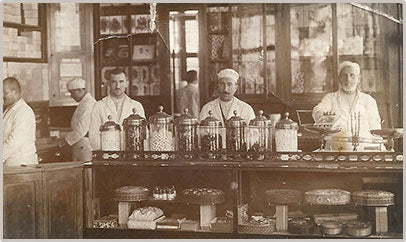
Restoration
During the restoration process, the arched oven and the chimney on the roof from the "Hacı Bekir Confectionery" period in the back section of the shop were preserved exactly as they were, and the application was carried out by adhering to the details of the oven, counter, and shelves depicted in painter Preziosi's painting, as well as the flower-patterned shutters visible on the ceiling. Thus, Preziosi's "Confectioner" painting was formed in three dimensions in the oldest part of the shop.
Visual Details
The shop's flooring is made of Marmara marble, and the exposed wooden ceiling and preserved wooden beams, as well as the display window columns and lintels, also provide insight into the shop's construction and details over hundred-year periods.